
In a high-level session of the Development Dialogue organized by the United Nations Industrial Development Organization (UNIDO) in Vienna, the Micro, Small and Medium Enterprise Development Agency (MSMEDA) of Egypt highlighted its strategic efforts to strengthen and integrate small businesses into sustainable global supply chains.
The session, which focused on rising challenges facing global supply chains, featured the launch of the “FairShare” initiative—a flagship UNIDO program designed to build more productive, resilient, and sustainable supply chains for inclusive economic growth.

MSMEDA’s Multi-Pillar Strategy for Supply Chain Resilience
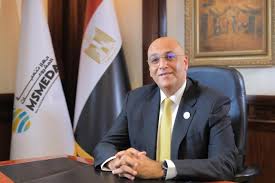
Speaking virtually during the second session, Basil Rahmy, CEO of MSMEDA, affirmed the agency’s commitment to addressing structural barriers that limit the integration of micro, small, and medium-sized enterprises (MSMEs) into formal, export-ready value chains. He emphasized that MSMEDA operates across multiple pillars, including:
- Capacity building for local producers
- Production process upgrades to meet export standards
- Adoption of environmentally friendly materials aligned with international sustainability standards
- Access to tailored consultancy and training services
Rahmy noted that Egypt’s MSME sector—particularly in rural areas—holds significant potential to contribute to national and global markets if integrated into formal economic structures. MSMEDA is working closely with governmental and private stakeholders to enable informal businesses to transition into the formal economy, enhancing their access to finance, technical support, and export opportunities.
Egypt’s Role in the FairShare Program
Rahmy further highlighted how Egypt, through MSMEDA, is well-positioned to partner with the FairShare initiative by leveraging its extensive national networks and field experience. The agency is already facilitating connections between small producers and structured markets, helping them diversify clients, increase resilience, and adapt to shifting regulatory landscapes.
In support of these efforts, Dr. Raafat Abbas, General Supervisor of Development Sectors at MSMEDA, underscored the agency’s strategic direction: scaling MSME participation in global supply chains by expanding capacity-building initiatives, providing specialized advisory services, and enhancing digital integration. He also announced that MSMEDA will work closely with UNIDO to roll out the FairShare program across its platforms—including coordination with local chambers of commerce and efforts to connect Egyptian agribusinesses to European markets.
Global Recognition for Inclusive Supply Chains
During the session, UNIDO Director General Gerd Müller emphasized the critical role of fairness in achieving sustainable development goals. “Sustainable supply chains are not just about compliance—they are about fairness, resilience, and shared prosperity.” he stated.
Participants unanimously highlighted the importance of investing in skills, digital tools, and institutional partnerships to help MSMEs adapt to changing market conditions and regulatory frameworks.
FairShare was recognized as a key platform for linking global corporations, national institutions, and local producers, with a goal of creating value chains where inclusion and sustainability are the standard—not the exception.
Outlook for FairShare Implementation
Verbe Stöcki, Head of Fair Production at UNIDO, concluded the session by affirming the roadmap for FairShare’s implementation“2024 was about laying the foundation. 2025 is about designing for execution. And 2026 will be the year of scaling impact.”
The ongoing partnership between UNIDO and Egypt’s MSMEDA reflects a shared vision: empowering small businesses to play a meaningful role in sustainable development through integration into fair, efficient, and future-ready supply chains.