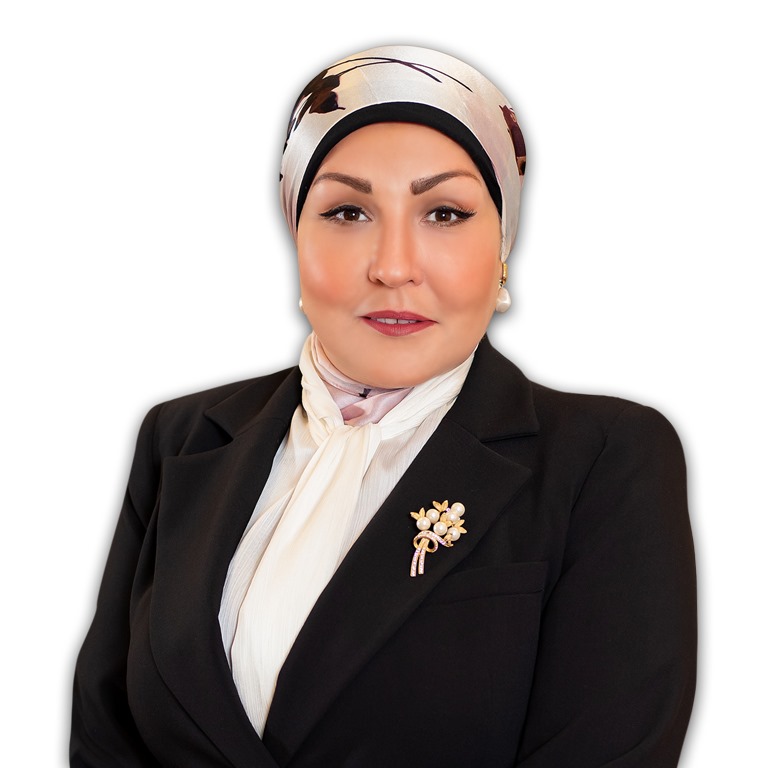

Dr. Hala Abu El-Saad, Chairwoman of the Egyptian Federation for Medium, Small, and Micro Enterprise Finance, affirmed that member institutions within the federation have successfully maintained their developmental momentum despite ongoing economic challenges. She noted that these institutions continue to play a strategic role in supporting Egypt’s national efforts to reduce poverty, enhance financial inclusion, and add tangible value to the national economy.
Speaking on the sidelines of national economic policy discussions, Abu El-Saad confirmed the federation’s active participation in Egypt’s ongoing National Dialogue on Economic Development, launched by Prime Minister Dr. Mostafa Madbouly. The initiative, titled “The National Narrative for Economic Development: Policies Supporting Growth and Employment,” targets sustainable economic growth of 7% and the creation of 1.5 million jobs annually by 2030, compared to 900,000 jobs in FY 2025/2026. Central to this vision is expanding private sector participation and increasing green investments to 70–75%, aligned with Egypt’s Vision 2030.

MSME Finance Driving Inclusive Economic Growth
Abu El-Saad emphasized that financing for medium, small, and micro enterprises (MSMEs) directly contributes to expanding Egypt’s productive capacity, creating new job opportunities, and improving living standards. These outcomes, she explained, help strengthen the country’s social safety nets and increase its GDP, aligning with the government’s broader development goals.
According to federation data, total MSME finance balances exceeded EGP 101 billion by the end of Q2 2025, serving over 4.1 million clients. Among these, licensed civil society organizations provided financing to around 1.6 million clients, with their loan portfolios growing by 15% to reach EGP 22.9 billion in June 2025, compared to EGP 19.9 billion in June 2024.
Financing through microfinance companies also witnessed a 16% increase, with total balances exceeding EGP 42 billion, serving approximately 1.8 million clients.
Banks Expand Support for Micro Enterprises
Egyptian banks are playing an increasingly important role in meeting the financing needs of microenterprises, with direct microloans—valued at up to EGP 266,000—reaching EGP 36.1 billion for 671,000 clients as of June 2025. This is in addition to indirect financing provided to NGOs and microfinance companies.
Meanwhile, the medium enterprise segment showed remarkable growth, with funding increasing by 130% year-on-year to reach EGP 20.7 billion, serving 14,500 clients, representing an 81% increase in the customer base.
“These figures reflect the resilience and agility of the MSME finance sector, particularly in reaching underserved and low-income communities,” Abu El-Saad noted. She added that the recent interest rate cuts are expected to provide a fresh boost to lending activities, allowing financial institutions to expand deeper into rural and economically challenged areas.
Strategic Collaboration to Support Industry and Innovation
Highlighting the sector’s role in supporting industry, Abu El-Saad stated that the coming period will witness intensified efforts to enhance workforce efficiency and build partnerships with both governmental and international stakeholders. These partnerships aim to co-design innovative financial instruments tailored to different business sectors and community needs.
The federation, she added, remains committed to aligning its vision with the outcomes of the national economic dialogue. This includes promoting innovative financing solutions to empower entrepreneurs and stimulate private investment, in coordination with institutions such as the Central Bank of Egypt, the Financial Regulatory Authority, the Micro, Small and Medium Enterprise Development Agency (MSMEDA), and other economic entities.
A Unified Vision for the Sector’s Future
Abu El-Saad confirmed that the new board of the federation is continuing to implement the strategic direction laid out by its predecessor, focusing on its role as a central liaison between members and key stakeholders. The federation is adopting a collaborative and open approach that encourages experience-sharing, the creation of communication platforms, and the development of more flexible, non-bank financial products.
She concluded by emphasizing that the MSME finance sector’s impact is not limited to funding. It is an active partner in shaping Egypt’s economic future, driving sustainable growth that takes into account both economic and social dimensions.