
Egypt’s Ministry of Labor has launched a new awareness and service caravan in Ismailia Governorate aimed at protecting and empowering working women and combating child labor, as part of the government’s broader push to strengthen social protection and labor rights under the new Labor Law No. 14 of 2025.
The initiative, titled “Caravans for the Protection and Empowerment of Working Women and Working Children,” comes in line with the directives of Minister of Labor Mohamed Gibran, and reflects the ministry’s commitment to supporting vulnerable groups, raising awareness of workers’ rights and duties, and promoting safe, inclusive workplaces across Egypt.

Raising Awareness of Labor Rights Under the New Law
Dr. Sherine Abdel-Hay, Director General of the Women and Child Affairs Administration at the Ministry of Labor, said the caravans are part of a comprehensive vision to foster a safe and productive work environment, ensure protection for working women, and curb child labor.
She emphasized the serious physical, mental, and psychological risks associated with child labor, noting that the new labor law introduces stronger safeguards to protect children and strictly prohibit the worst forms of child labor.
“These protection and empowerment caravans will be rolled out successively across all governorates,” Abdel-Hay said, “as part of the ministry’s continued efforts and in direct implementation of the minister’s instructions.”
Multi-Agency Coordination for Sustainable Impact
The Ismailia caravan was organized in coordination with Dr. Ayman Shaaban, Director of the Ismailia Labor Directorate, and Marwa Anas, Head of the Women and Child Department at the directorate. It was carried out in cooperation with key partner institutions concerned with women’s and children’s issues, most notably the Ismailia Health Directorate, highlighting the ministry’s belief in integrated action and inter-agency coordination.
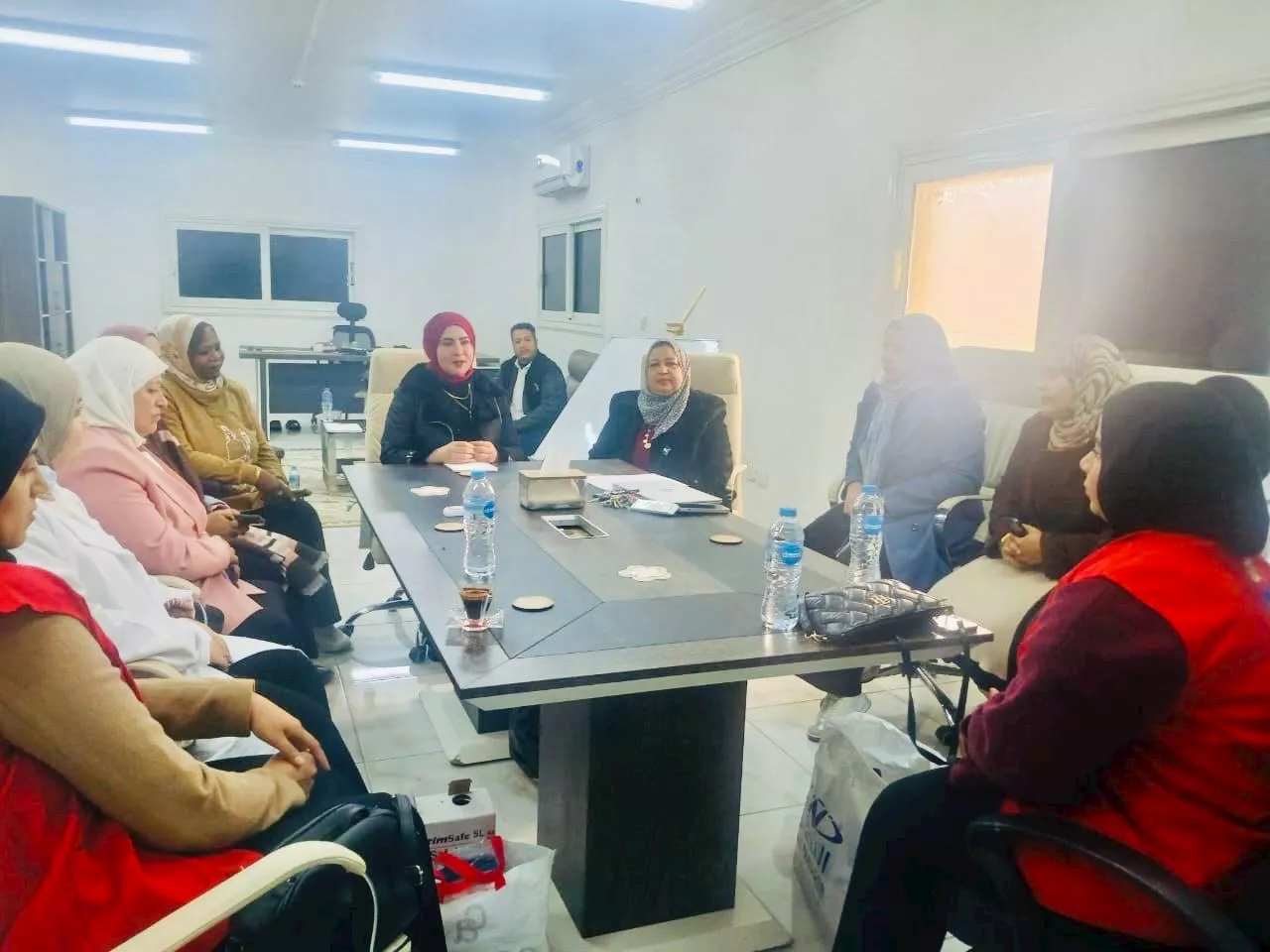
The caravan was hosted by Agrina Company for Exporting Fruits and Vegetables, where a series of awareness seminars and integrated services were delivered to approximately 30 male and female employees.
Combating Workplace Violence and Gender Discrimination
During the event, Dr. Abdel-Hay delivered an awareness seminar titled “Combating Violence in the Workplace and Gender Equality Under the New Labor Law.” She outlined the legal guarantees enshrined in Labor Law No. 14 of 2025 to protect working women, reinforce equal opportunity, and create work environments free from violence and discrimination.
Supporting Women and Protecting Children
Nadia Sandas, a member of Egypt’s National Council for Women, reviewed the key services provided by the council to women in Ismailia, including support mechanisms and referral pathways available to working women.
Meanwhile, Marwa Anas addressed the dangers of child labor and the role of the new labor law in protecting working children. She stressed the importance of awareness and prevention as essential tools in reducing child labor, while also introducing participants to the services offered by the labor directorate.
Health Services Integrated into the Workplace
In a demonstration of holistic support, representatives from the Ismailia Health Directorate and officials from the national “100 Million Health” campaign in Fayid reviewed the healthcare services available to workers.
A medical convoy was organized in coordination with the Fayid Labor Office, offering on-site health screenings for diabetes, blood pressure, and kidney disease. The medical services benefited 60 women, underscoring the integration of legal awareness with preventive healthcare inside the workplace.
Toward Safer and More Inclusive Workplaces
The Ismailia caravan reflects Egypt’s ongoing efforts to translate labor legislation into practical protection on the ground, combining legal education, social support, and healthcare services. As the Ministry of Labor prepares to expand these caravans nationwide, the initiative marks a significant step toward safer workplaces, empowered women, and stronger safeguards for children in Egypt’s labor market.