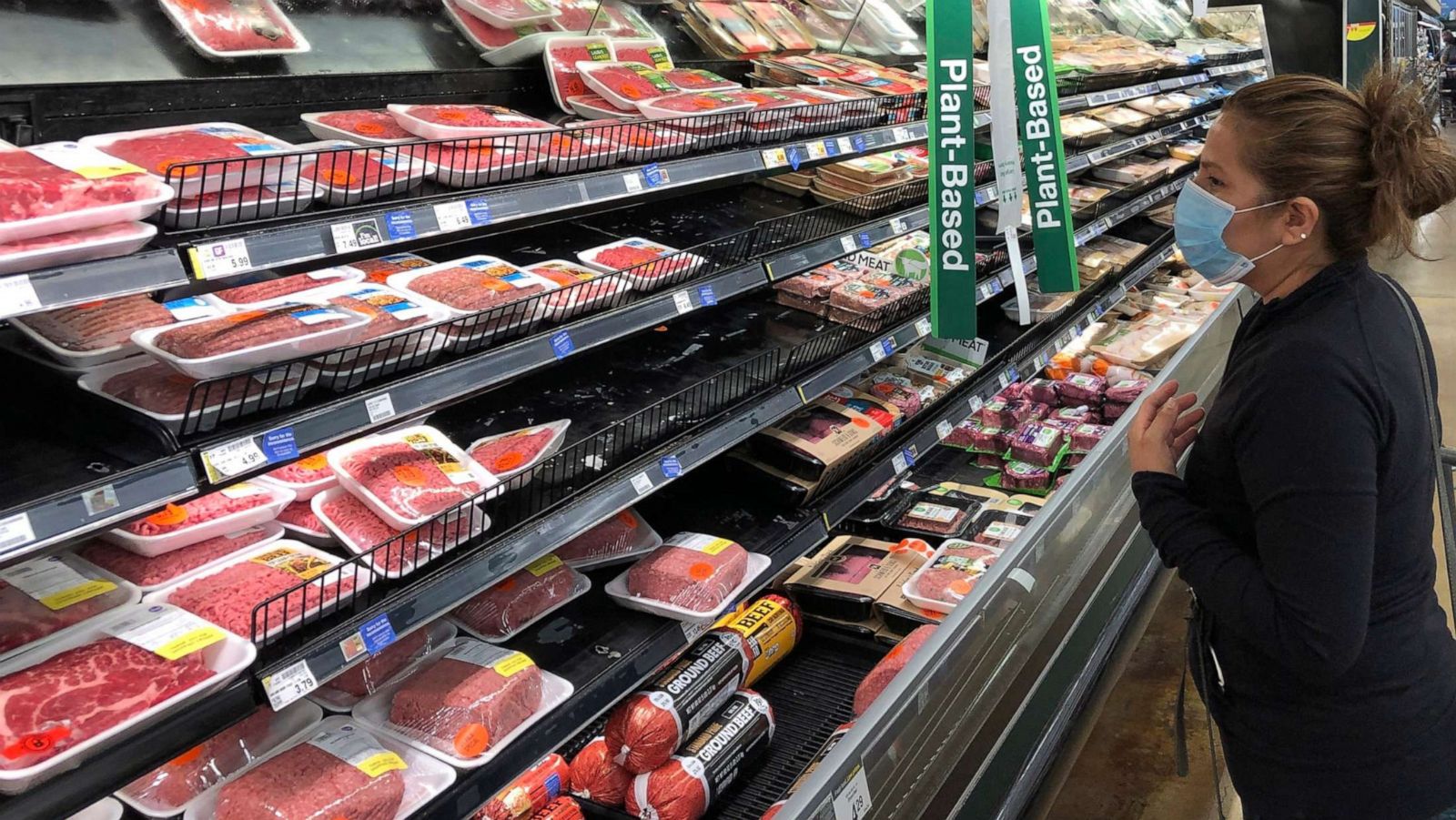

Egypt’s headline annual inflation rate declined for the first time in almost a year, dropping to 31.5% in April from above 33% in March. Meanwhile, monthly headline inflation continued to accelerate, rising by 1.8% in April compared to March.
On the other hand, Egypt’s government has increased its budget deficit estimate to 6.9% for the first FY2023/2024, which starts on 1 July, compared to an earlier estimate of 6.3 percent, Minister of Finance, Mohamed Maait, stated in front of the House of Representatives on Tuesday.

Maait stated that the deficit is attributed to the interest rates’ hike nationally and globally, in addition to the increase in the social protection budget and the cost of basic commodities, including food and fuel.
The FY2023/2024 budget also includes around EGP 436 billion ($14.1 billion) in investments for educational, healthcare, and other social services, which account for 26.4 percent of total investments allocated in the fiscal year.
According to the draft of Egypt’s general budget for FY2023/2024, the deficit is expected to reach EGP 848.8 billion ($27.4 billion), up from EGP 718 billion ($23.2 billion) in FY 2022/2023.
The draft shows that government spending is anticipated to increase by EGP 755 billion ($24.4 billion) to nearly EGP 3 trillion ($97 billion) in FY2023/2024, while revenue is expected to grow by EGP 624.2 billion ($20.2 billion) to EGP 2.1 trillion ($68 billion).
Egypt forecasts to attain a 4.1% real GDP growth in FY2023/2024 and a primary surplus of 2.5 percent of the GDP.
The Egyptian government is planning to increase total investments in the budget by 36 percent to EGP 1.8 trillion ($58.2 billion) in FY2023/2024, compared to EGP 1.32 trillion ($42.7 billion) in the previous year, Minister of Planning Hala El-Said stated in a speech to the House of Representatives.
El-Said revealed that, in FY2023/2024, the top growing sectors are expected to be telecommunications (16.8 percent), tourism (12%), Suez Canal (11.9%), construction (1% ), healthcare services (5.2%), educational services (5.1 percent) and agriculture (4.1%).
The agriculture sector will receive around EGP 116.6 billion ($3.8 billion) in investments, up 71 percent from EGP 68 billion ($2.2 billion) in FY 2022/2023. Investments in the manufacturing industries sector will grow by 20 percent to EGP 100.7 billion ($3.3 billion), compared to EGP 84.2 billion ($2.7 billion) the year before. The telecommunication sector is set to receive around EGP 83.4 billion ($2.7 billion) in investments, a 49 percent increase from the year before.
Moreover, the electricity and renewable energy sector will receive EGP 81.4 billion ($2.6 billion) in investments, which is expected to increase the generated electricity to 228 billion kilowatt hours and raise the renewable energy contribution to the total energy mix to 11.8%. Prime Minister Mostafa Madbouly said on Wednesday that the government will hold an international press conference soon to brief the media on the situation of the Egyptian economy.