
Egypt’s sweeping push to broaden access to financial services has delivered a sharp rise in financial inclusion, with 77.6% of eligible citizens now holding active financial accounts, according to newly released government data. The figures signal what officials describe as a decisive breakthrough in the country’s 2022–2025 financial inclusion strategy.
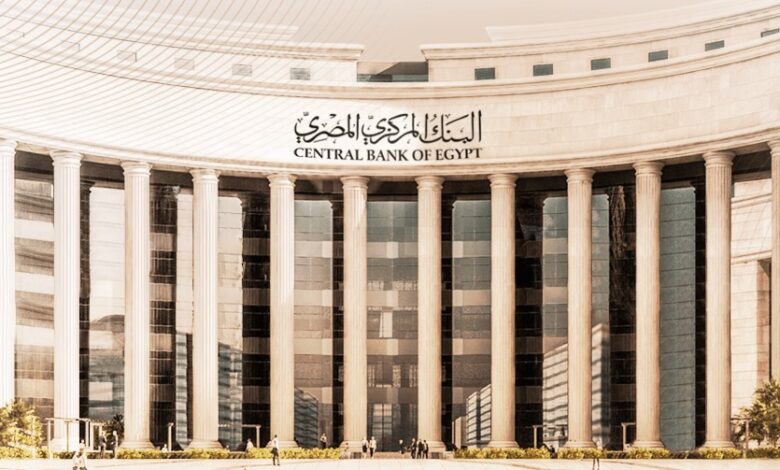
The data, published by the CBE, show that 54.7 million Egyptians aged 15 and above now own and actively use accounts that enable them to conduct financial transactions. That figure comes out of a total eligible population of 70.5 million in that age bracket.

The increase represents a 219% growth in financial inclusion between 2016 and 2025 — a dramatic expansion in a country that, less than a decade ago, struggled with widespread financial exclusion, particularly among women and low-income communities.
A Strategic Policy Shift
Egypt’s financial inclusion drive has been central to broader economic reform efforts aimed at formalizing the economy, expanding digital payments, and strengthening financial stability. The 2022–2025 strategy emphasized regulatory reform, digital infrastructure development, and partnerships between banks, fintech companies, and government agencies.
Officials credit the rapid adoption of mobile wallets, simplified account-opening procedures, and targeted outreach campaigns as key drivers behind the surge. Expanding access to electronic payment systems and encouraging cashless transactions have also played a central role in drawing more citizens into the formal financial system.
Women’s Financial Participation Surges
Perhaps the most striking gains have been among women. Female financial inclusion rose from just 19.1 percent in 2016 to 71.4 percent in 2025 — a nearly fourfold increase.
Government officials attribute this shift to dedicated programs designed to promote women’s economic empowerment, including tailored banking products, microfinance initiatives, and national campaigns to increase financial literacy among women in rural and underserved communities.
The narrowing gender gap marks a significant development in a region where female participation in formal finance has historically lagged. Analysts say greater financial access for women can have ripple effects, boosting household resilience, supporting entrepreneurship, and contributing to broader economic growth.
Broader Economic Implications
Economists note that rising financial inclusion can enhance monetary policy transmission, increase savings rates, and reduce the size of the informal economy. By bringing millions into the banking system, Egypt strengthens its ability to channel credit, distribute social support more efficiently, and attract investment.
The milestone comes as Egypt continues to navigate external economic pressures, including global inflationary trends and currency volatility. Policymakers have positioned financial inclusion as a structural reform intended not only to expand opportunity but also to reinforce macroeconomic stability.
With nearly four out of five eligible citizens now financially included, Egypt’s experience is increasingly cited by regional policymakers as a case study in rapid financial sector transformation.
Officials say the next phase will focus on deepening usage, ensuring that newly opened accounts translate into sustained savings, borrowing, insurance uptake, and digital transaction activity — as the country seeks to consolidate gains and build a more inclusive financial ecosystem.