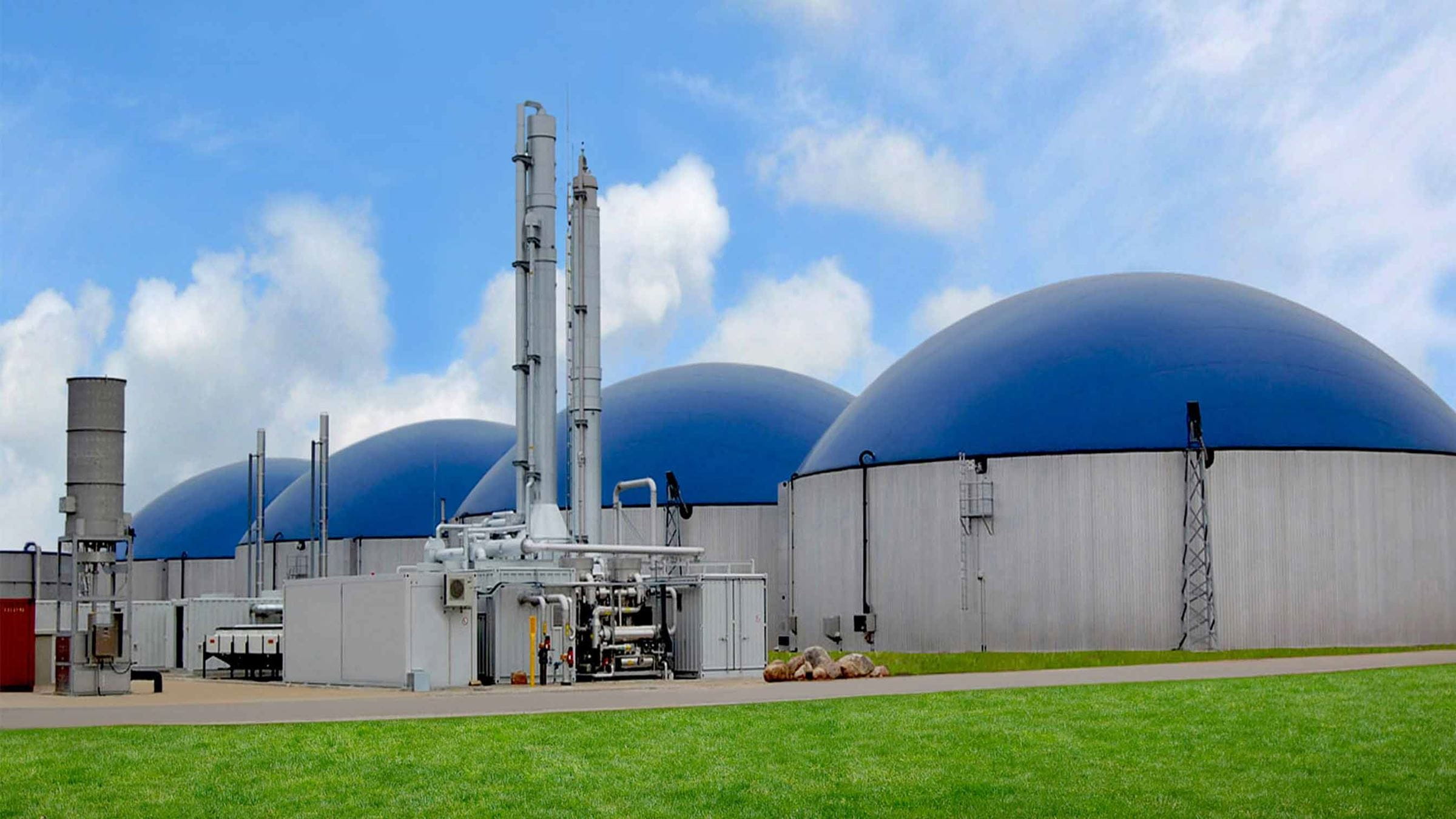

Egypt Takes Serious Steps To Clean Energy Setting 1st Factory Generating Electricity From Biogas

Egypt is constructing its first plant to generate power from biogas in Sadat City as The Industrial products signed a contract with the National Company for Animal Production of the National Service Projects Organization for the new plant.
The new plant will annually transform 85,000 tonnes of animal excrement into one megawatt/hour of electricity, which will be linked to the national power system.
It will also produce more than 80,000 tons of high-quality organic fertilizer, proven to be effective in restoring agricultural soil fertility and doubling its productivity.
The factory also contributes to reducing greenhouse emissions by about 5,000 tons of carbon dioxide.
The plant represents awin-win collaboration between the private sector and state agencies in the generation of power from animal manure, which should be replicated in a variety of different industries, particularly new and renewable energy.
It is a genuine simulation of the outcomes of the Climate Conference (COP27), which pushed Egyptian investors to spend green in clean energy industries.
This falls within the framework of Egypt’s goals to achieve its 2035 sustainable development initiative, especially to achieve 42 percent of clean electricity as a target.
Moreover, Al-Mawarid Industrial Products Company in January 2022 installed and operated the first portable Biogas units in Zewail City, with a production capacity of 2,200 cubic meter per year to treat organic waste resulting from student restaurants in Zewail City, to be used in cooking at the university.
The organic fertilizer resulting from the unit is used for the gardens within the city’s campus, in addition to being a unit in which students and those interested are practically trained.
This in turn contributes to the dissemination of biogas technology among students in an academic and research field.