
Egypt is accelerating its cross-government environmental response strategy ahead of the seasonal spike in pollution across the Nile Delta and Upper Egypt, launching coordinated plans to reduce emissions from agricultural waste and improve water quality in polluted drainage canals.
In parallel to preparations for combating the annual “black cloud” of smog caused by rice straw burning in the Delta, the government is also tackling industrial and residential pollution in key waterways, particularly the El-Moheet Drain in Minya Governorate.

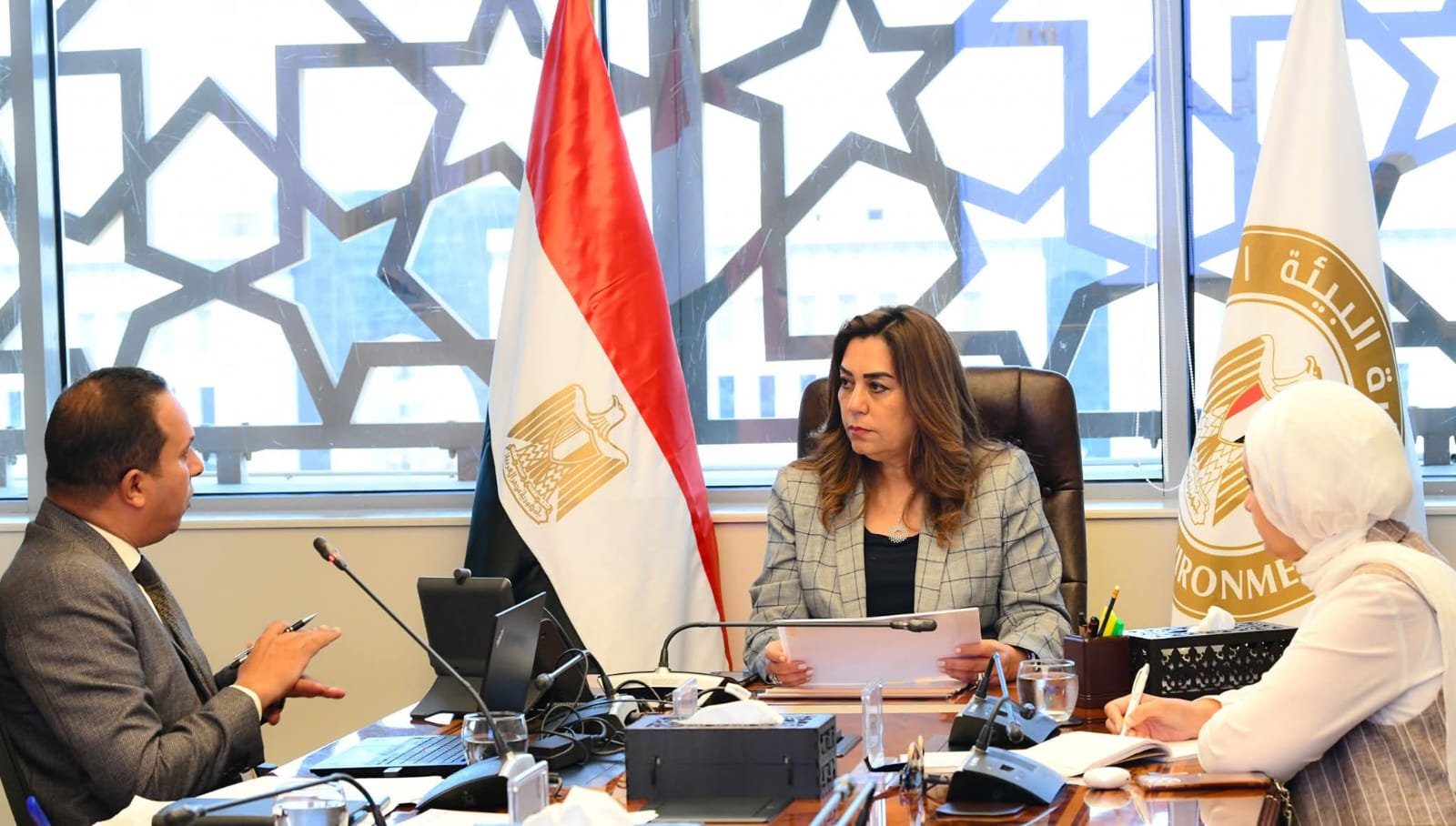
At the helm of these efforts is Dr. Manal Awad, Minister of Local Development and Acting Minister of Environment, who is leading a series of site visits and technical meetings to ensure integrated environmental management across sectors and regions.
“We are treating Egypt’s environmental challenges as interconnected — from air quality in the Delta to water pollution in Upper Egypt,” Dr. Awad stated, emphasizing the need for early intervention, multi-agency coordination, and community engagement.
Curbing the Black Cloud
In the Delta, the government’s 2025 plan to tackle seasonal air pollution focuses on reducing open-air burning of rice straw — a major contributor to airborne toxins during harvest season. Dr. Awad launched the season’s first coordination meeting this week in Kafr El-Sheikh, one of the country’s top rice-producing regions.
The meeting brought together representatives from the Ministries of Environment, Agriculture, and Local Development, along with local officials and the World Bank-supported Greater Cairo Air Pollution Management and Climate Change Project, a $200 million initiative launched in 2021.
Key elements of the strategy include:
- Scaling up recycling of rice straw into biofertilizers, animal feed, and biofuel.
- Strengthening enforcement of environmental violations related to waste burning.
- Expanding farmer education and technical support on sustainable waste practices.
Officials report that increased awareness has already helped cut burning rates and create new green jobs in rural communities, particularly for youth and small-scale entrepreneurs working with recycled materials.
Tackling Industrial and Residential Waste: El-Moheet Drain Under Scrutiny
In Upper Egypt, Dr. Awad is also overseeing a targeted intervention in Minya, where the El-Moheet Drain has suffered from industrial discharge, untreated sewage, and solid waste accumulation.
In a high-level meeting with Dr. Eid El-Raghy, her technical advisor on pollution reduction, Dr. Awad reviewed the findings of an interagency committee assigned to investigate and resolve the environmental risks in the area.
The Ministry of Environment has outlined a multi-pronged plan that includes:
- A solid waste management strategy for ten identified hotspots along the drain and its tributaries.
- Ongoing air quality monitoring and stack emissions testing for nearby factories, which were found to comply with national standards.
- Coordination with the Industrial Development Authority and Ministry of Housing to inspect wastewater treatment plants and industrial effluents.
- Public awareness campaigns, including 62 local workshops, to educate residents on the dangers of illegal dumping.
Specific attention was given to a sugar factory discharging into the drain, where sample analysis and legal compliance checks were conducted under Egypt’s Industrial Licensing Law (Law 15 of 2017).
Dr. Awad also directed the Minya governorate to increase frequency of waste removal, ensure operational compliance of wastewater treatment plants with Egyptian maintenance codes, and reinforce cooperation with the Ministries of Irrigation, Housing, and Health.
The government’s unified approach is part of a broader environmental governance reform, aiming to link pollution control with economic resilience and social inclusion.