
In a high-level gathering of national health leaders and policymakers, Dr. Ahmed Taha, President of Egypt’s General Authority for Healthcare Accreditation and Regulation (GAHAR), reaffirmed that women’s health stands as a national priority and a central pillar in Egypt’s ongoing healthcare reform efforts.
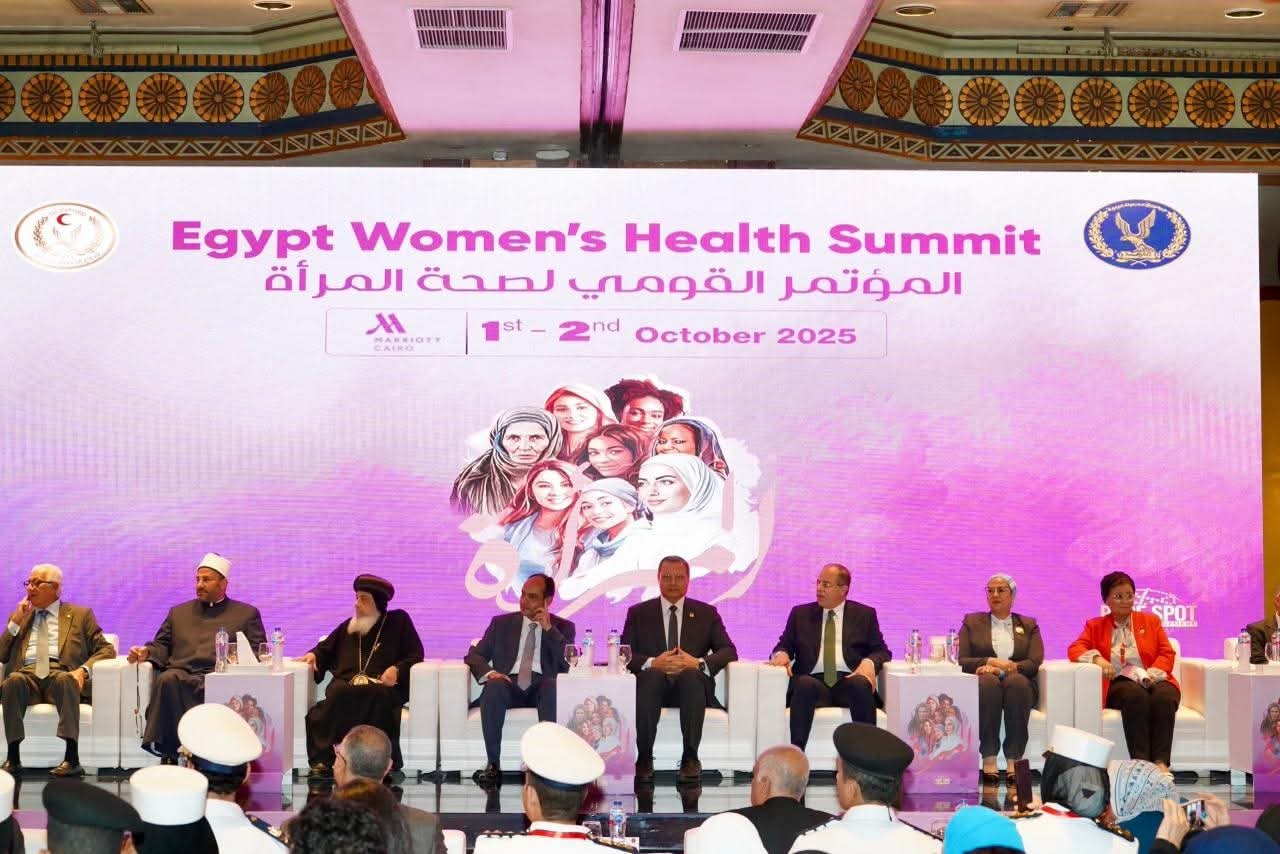
Speaking at the second edition of Women’s Health ٍٍSummit, organized by the Medical Services Sector of the Ministry of Interior under the theme “National Strategies for Egyptian Women’s Health”, Dr. Taha emphasized that investing in the health of women is critical to building a resilient family structure and a stable society capable of facing future challenges.

The summit witnessed participation from top-tier officials and healthcare experts including Dr. Abla El-Alfi, Deputy Minister of Health for Population Affairs; Dr. Mohamed Lotfy, CEO of the Egyptian Health Council; Counselor Amal Ammar, Head of the National Council for Women; and Dr. Osama Abdel Hay, President of the Egyptian Medical Syndicate.
Women’s Health: A National Imperative in Egypt’s New Republic
In his keynote address, Dr. Taha stressed that improving access to safe, high-quality healthcare for women is not only a medical concern but a strategic investment in national development.
“Women’s health is a cornerstone of Egypt’s healthcare reform strategy under the New Republic. Empowering women with accessible, safe, and quality healthcare services directly contributes to building a stronger, more equitable society,” he said.
He noted that the political leadership has placed strong emphasis on women’s health within the framework of Egypt Vision 2030. This includes major national initiatives for early detection of non-communicable diseases, breast cancer screening, maternal health, and postnatal care.
Addressing Key Challenges: C-Sections, Breastfeeding, and Maternal Mortality
Dr. Taha identified several ongoing challenges in women’s healthcare, including the high and rising rates of unnecessary caesarean sections, and low breastfeeding rates—both of which require coordinated national strategies, improved clinical practices, and widespread public awareness.
He revealed that GAHAR is currently finalizing a new set of national standards for “Mother-and-Child-Friendly Healthcare Facilities”, which align with international best practices but are tailored to the cultural and medical needs of Egyptian women—especially during pregnancy, childbirth, and postpartum recovery.
“Global statistics show that over 260,000 women die annually from preventable complications related to pregnancy and childbirth,” Dr. Taha warned. “This global challenge requires unified efforts from governments and healthcare institutions to bring about real change.”
Accreditation Standards Supporting Women’s Health
Dr. Taha emphasized that GAHAR’s national healthcare accreditation standards include detailed provisions that directly support women’s health, such as:
- Early detection of breast cancer
- Comprehensive antenatal and postnatal care protocols
- Strict infection control policies in obstetrics and gynecology departments
These standards aim to ensure the delivery of safe, high-quality care to all Egyptian women, while recognizing them as essential contributors to Egypt’s sustainable development agenda.
Women’s health also plays a foundational role in Egypt’s Universal Health Insurance Project and broader national vision for inclusive healthcare. Dr. Taha reaffirmed GAHAR’s commitment to ensuring that women have access to preventive, therapeutic, and educational health services, aligned with Egypt’s 2030 goals of health equity and social justice.