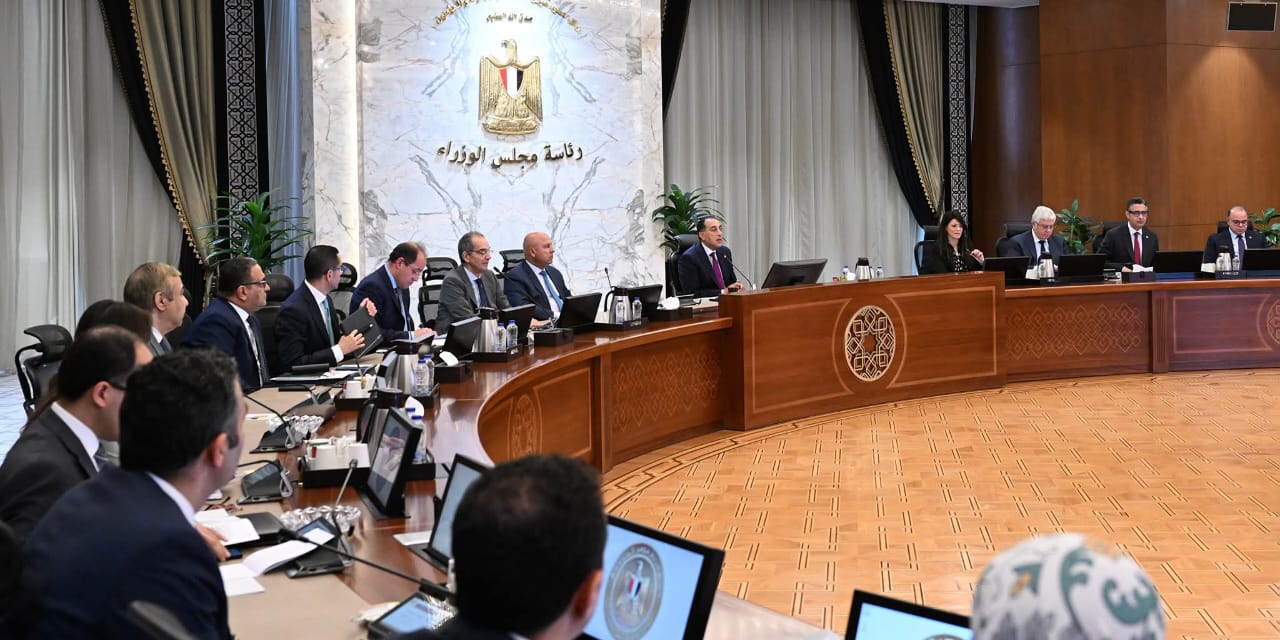

In a high-level ministerial meeting held Tuesday, Egyptian Prime Minister Dr. Mostafa Madbouly underscored the country’s commitment to strengthening the entrepreneurial ecosystem as a cornerstone of sustainable economic growth—with a sharpened focus on empowering women-led startups as drivers of innovation, resilience, and inclusive development.
Chaired by Dr. Madbouly, the Ministerial Committee on Entrepreneurship convened to review Egypt’s emerging startup charter and evaluate new policy pathways for turning entrepreneurial potential into long-term socioeconomic impact. The meeting brought together key cabinet figures from planning, communications, education, finance, and investment portfolios, in a collaborative bid to formalize Egypt’s status as a regional hub for startups.

Women at Center of Digital Economy
Madbouly opened the session by emphasizing Egypt’s goal of becoming a primary actor in the global entrepreneurship community. Central to this ambition, he noted, is the development of a startup-friendly regulatory environment that places women and youth at the center of the digital and green economy.
“We are not simply investing in businesses,” Madbouly said. “We are investing in a generation—and particularly in women entrepreneurs—who can reshape our economy from the grassroots up.”
Women as Stakeholders in Startups
At the heart of the meeting was a detailed presentation by Dr. Rania Al-Mashat, Minister of Planning, Economic Development and International Cooperation, outlining the final draft of Egypt’s long-anticipated Startup Charter. Crafted through a participatory, multi-stakeholder process, the charter promises to rebuild trust between government and startups, while enabling women-led ventures to navigate a clear policy framework tailored to their needs.
“The Charter will define what a startup is—legally, operationally, and financially,” Al-Mashat explained, adding that it will be accompanied by a package of incentives, including non-tax benefits, simplified government procedures, and dedicated pathways for startups to participate in public-sector projects.
Al-Mashat emphasized that female entrepreneurs—often constrained by access to capital, regulatory clarity, and visibility—would be key beneficiaries of the new framework. “We’re aligning our policies to support scalable, women-led businesses, not as a token gesture, but as a foundational element of economic resilience,” she said.
Data-Driven Growth with a Gender Lens
According to Al-Mashat, Egyptian startups have raised $228 million in the first five months of 2025, a 130% increase from the same period in 2024. While technology remains the dominant sector—particularly proptech and fintech—the Minister pointed to underrepresented segments, such as female-led green and social enterprises, as untapped growth areas.
To that end, a proposed High-Growth Startup Support Program will be launched, targeting startups with the potential to generate substantial employment and investment. The initiative will feature technical guidance from public-sector experts, strategic partnerships with ministries, and direct engagement with international investors—with a strong push to identify and elevate startups founded by women.
From Policy to Action
Al-Mashat stressed the importance of visibility and validation for Egypt’s female entrepreneurs. “When women succeed in this ecosystem, they send a signal—not just to investors, but to every young girl with a business idea—that success is possible,” she said.
The support program will include a platform for showcasing female-led startup success stories domestically and abroad, featuring them in international forums, investment expos, and national media campaigns. These stories, Al-Mashat noted, are Egypt’s “strongest pitch to the world.”
Building Inclusive Infrastructure for the Entrepreneurial Future
Additional plans include an integrated approach to resource allocation—leveraging Egypt’s digital infrastructure, human capital, and institutional expertise to support entrepreneurship in both urban centers and underserved rural areas, where women face systemic barriers to entry.
Basil Rahmy, CEO of the SME Development Authority, added that efforts are underway to expand access to microfinance for women in rural governorates, enabling them to transition from informal to formal enterprise models and connect with national supply chains.
Egypt as a Regional Beacon for Women Entrepreneurs
Tuesday’s meeting reflects a broader shift in Egypt’s development narrative: from viewing women as passive recipients of aid or policy, to recognizing them as essential economic architects.
As Egypt prepares to launch its national startup charter and roll out a suite of supportive programs, the government is sending a clear message to investors, entrepreneurs, and international partners alike: a startup economy that excludes women is incomplete.
Dr. Madbouly concluded the session with a challenge to the nation’s public and private sectors: “Let us not only compete in markets—we must compete in inclusion, in innovation, and in the economic liberation of every Egyptian woman ready to lead.”