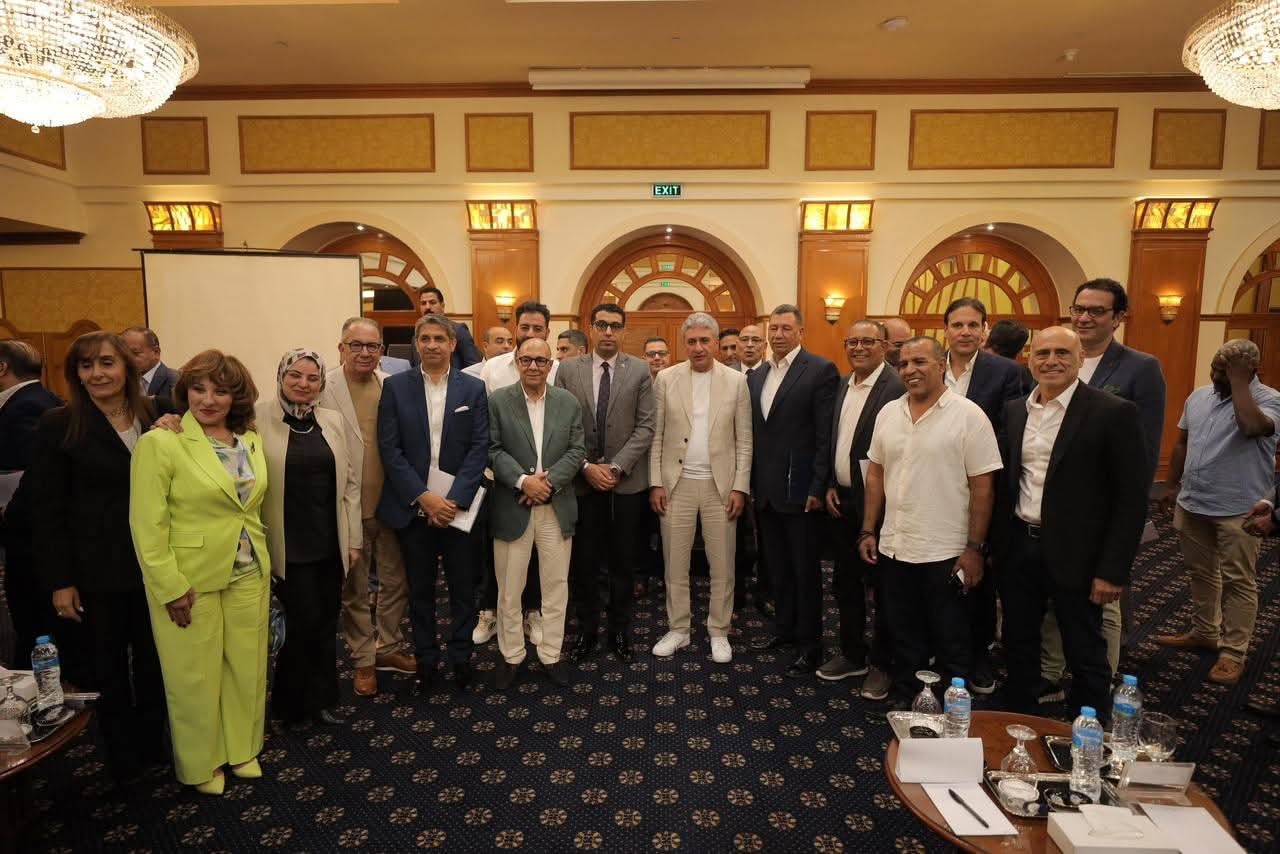

Egypt is turning to holiday homes and alternative accommodations to meet rising demand for tourist lodging, as part of a broader strategy to diversify the country’s tourism offerings and boost sector capacity, Tourism and Antiquities Minister Sherif Fathy said this week during a visit to Luxor.
The minister’s remarks came during a meeting with the Board of the Egyptian Hotel Establishments Chamber, where he emphasized that vacation rental properties—commonly known as Holiday Homes—represent a growing trend in global tourism and must be formally integrated into Egypt’s hospitality ecosystem.

New Lodging Model to Support Growth Goals
“Holiday homes offer a flexible, scalable solution—but only if they meet clear standards of safety, quality, and professionalism.”
He noted that enhancing lodging capacity is a national priority, as Egypt aims to significantly increase its inbound tourism figures over the next five years. While hotel development remains essential, the holiday home model can quickly fill supply gaps—especially in popular but under-served destinations.
Regulation and Standards Are Key
Minister Fathy stressed that strict licensing, inspection, and enforcement mechanisms must be in place to ensure that holiday homes adhere to the same health, hygiene, and safety protocols as licensed hotels.
He also called for:
- A unified regulatory framework governing holiday home operations
- The development of quality benchmarks and rating systems
- Support for property owners to register and professionalize their offerings
Comprehensive Capacity Planning Ahead
Fathy proposed the creation of a national hospitality capacity masterplan to identify where hotel or holiday home development is most urgently needed. This would allow for smart tourism planning and guide future private-sector investment based on real demand data.
“Each tourism city should have a tailored blueprint for growth,” he added.
“From Aswan to Alexandria, we must understand where to build and how much to build.”
Holiday Homes to Complement Egypt’s Heritage Tourism
The minister emphasized that the holiday home model is particularly well-suited to Egypt’s cultural and archaeological destinations, like Luxor, where tourists often seek longer, more immersive stays. Flexible accommodations near heritage sites can boost local economies while reducing pressure on traditional hotels.
In the same meeting, stakeholders discussed opportunities to develop holiday home clusters in destinations such as:
- Historic Cairo
- The Red Sea Riviera (Hurghada, Marsa Alam)
- Upper Egypt cultural hubs
- Sinai eco-tourism zones
Industry Stakeholders Welcome the Shift
Present at the meeting were:
- Mohamed Ayoub, Chairman of the Hotel Establishments Chamber
- Hala El-Khatib, Executive Director of the Egyptian Federation of Tourism Chambers
- Senior Ministry officials including Ahmed Youssef, Mohamed Amer, and Rana Gohar
Chamber members voiced support for the holiday homes initiative, citing its potential to unlock private sector participation, diversify product offerings, and extend stays.
However, several also highlighted challenges such as lack of legal clarity, unregulated competition, and consumer protection concerns—issues the ministry pledged to address in upcoming policy frameworks.
Minister Fathy’s remarks signal a paradigm shift in how Egypt views tourism infrastructure—one that embraces flexibility and inclusivity while maintaining high standards.