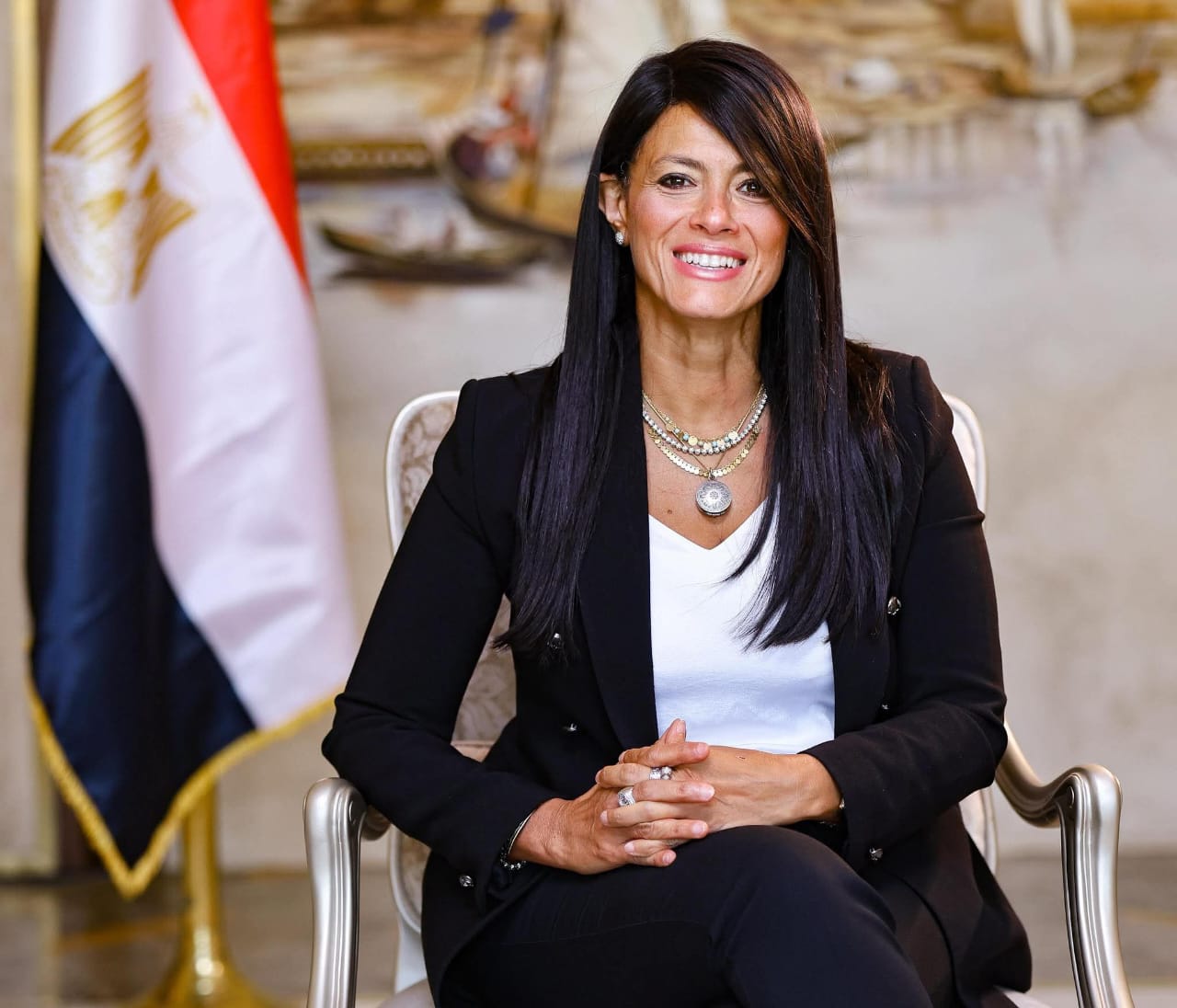

Egypt has earmarked EGP 25 billion in the 2025/2026 development plan to kickstart Phase II of the presidential “Decent Life” initiative (Hayah Karima), according to Dr. Rania Al-Mashat, Minister of Planning, Economic Development, and International Cooperation.
The funding reflects the government’s ongoing commitment to accelerate rural development, improve quality of life for millions, and adhere to the timeline directives issued by President Abdel Fattah El-Sisi.

A National Model for Inclusive and Sustainable Development
Dr. Al-Mashat described Hayah Karima as “a transformative development model,” praised globally for its scope and impact. It has been recognized by the United Nations Department of Economic and Social Affairs (UNDESA), featuring on both the SDG Acceleration Platform (2020) and Best International Practices Portal (2021).
Covering nearly 60% of Egypt’s population, the initiative aims to bridge the urban-rural divide by addressing critical infrastructure needs while promoting social equity and environmental resilience.
Phase II Targets 21 Million Citizens in 1,667 Villages
Phase II will span 1,667 villages in 52 districts across 20 governorates, directly benefiting 21.3 million Egyptians. Of these, 29% of the villages and 36% of the districts are located in Upper Egypt, ensuring that historically underserved regions remain central to Egypt’s development strategy.
Key infrastructure goals include:
- 2,350 km of water supply networks
- 18 drinking water treatment plants
- 315,000 household water connections
- 97 sewage treatment stations, processing up to 1 million m³/day
- 1.8 million household sanitation connections
Phase I in Review: 23,000 Projects, 86.5% Execution Rate
The Ministry’s report highlighted the successful implementation of Phase I, which included:
- 23,000 projects across 1,477 villages
- 18 million beneficiaries across 20 governorates
- EGP 298.3 billion disbursed out of a EGP 350 billion budget
- Upper Egypt received 68% of total allocations (EGP 237 billion), benefiting 11 million people
Completed outcomes include:
- 261 potable water stations
- 1.37 million sanitation connections
- 685 health units, 365 ambulance centers, and 15,000 new classrooms
- 925 youth centers
- 596,000 citizens literate through adult education initiatives
Citizen Engagement Through the “Sharek 2030” App
To enhance transparency and public involvement, the Ministry launched the “Sharek 2030” mobile app, offering:
- Real-time updates on project implementation
- Open feedback channels for local residents
- A space to propose development ideas based on local needs
Dr. Al-Mashat emphasized the app’s role in supporting good governance, increasing citizen ownership, and aligning projects more closely with local realities.
Evidence-Based Planning and Village Selection
Phase II villages were selected based on evidence-driven planning, leveraging data from the Central Agency for Public Mobilization and Statistics (CAPMAS). Selection criteria include:
- Demographic and economic profiles
- Access to essential services
- Environmental conditions
- Spatial and geographic dynamics
This structured approach allows for measurable impact, efficient resource allocation, and policy adjustments based on real-world performance.
Integrating Environmental Standards: Toward “Green Villages”
Egypt is also integrating environmental sustainability into the “Decent Life” initiative through the “Green Village” program, which aims to align rural communities with global green building standards.
Focus areas include:
- Energy efficiency
- Water conservation
- Sustainable use of local resources
Four villages have already earned the “Tarsheed” green certification, including:
- Fares (Aswan) – 2022
- Nahtai (Gharbia) – 2023
- Shama (Menoufia) – 2024
- El-Liwaa Sobeh (New Valley) – 2024
More villages are scheduled for green certification in the next phases.
National Blueprint For Inclusive Development
As Egypt enters the next phase of Hayah Karima, the initiative is evolving into a national blueprint for inclusive, sustainable development. With increased citizen engagement, environmental integration, and data-driven governance, Decent Life stands as one of the most ambitious rural development programs in the Middle East and Africa.