
In a bold step toward strengthening Egypt’s environmental infrastructure, the Waste Management Regulatory Authority (WMRA) approved a series of sweeping reforms on Tuesday, including updates to the country’s waste licensing system and broader efforts to combat plastic pollution in the Nile River.
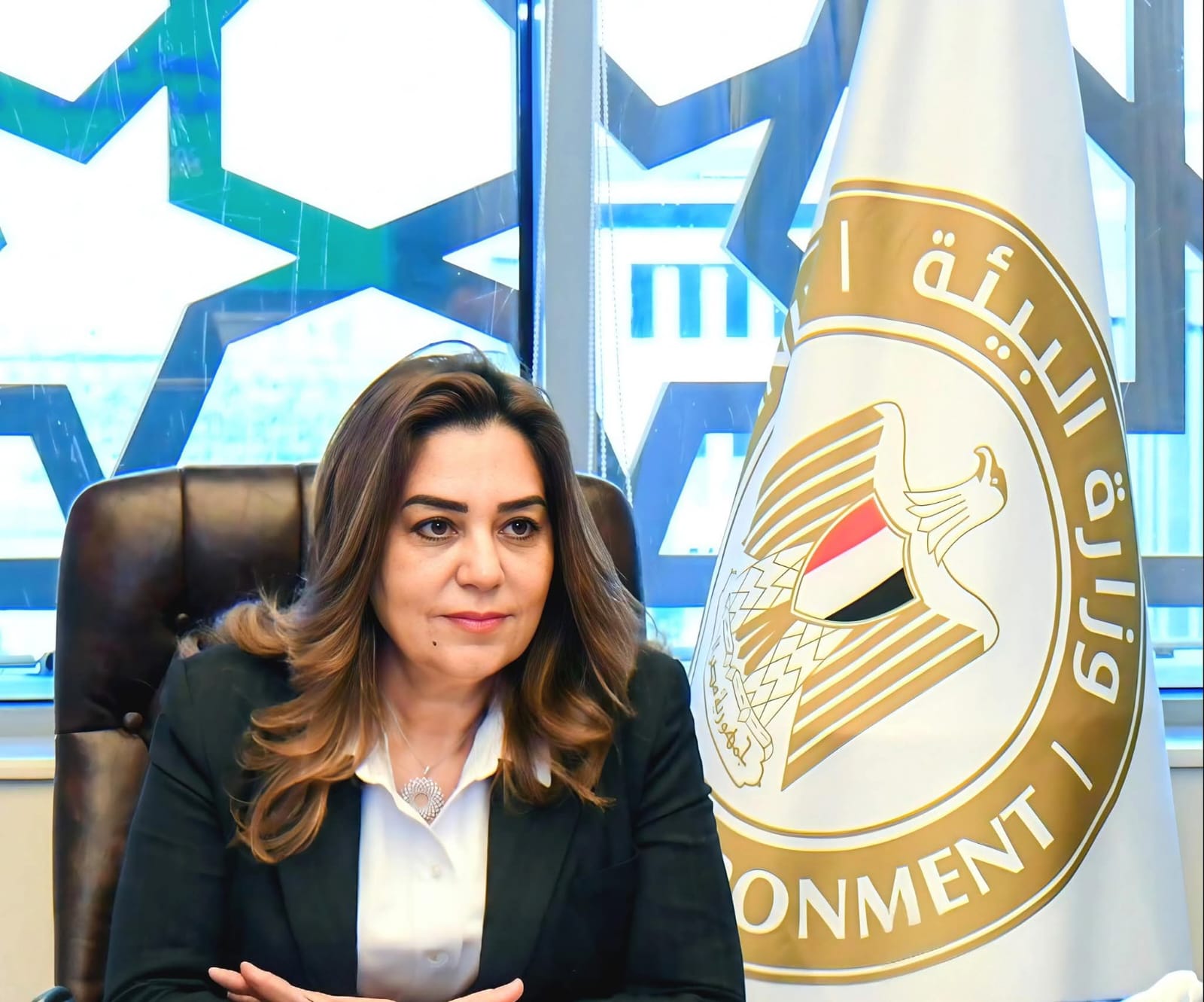
Chaired by Acting Environment Minister, Dr. Manal Awad, the board’s third session since its reformation marks a significant milestone in implementing Egypt’s Integrated Waste Management Strategy.

New Licensing Regulations
Amendments to Waste Law No. 202 of 2020 were approved, establishing updated licensing protocols and a new appeal mechanism to streamline permit issuance and oversight. Further, independent licenses will now be issued for companies managing construction and demolition waste, tied to a digital monitoring system to track disposal activities and ensure compliance. The board also called for cooperation with the Housing Ministry and Industrial Development Authority to designate dedicated waste zones in new cities and industrial areas.
Support for Rice Straw Collection
In a move aimed at curbing air pollution, the board voted to reduce license fees for rice straw collection contractors, incentivizing responsible disposal and discouraging open-air burning. Data integration with the Agriculture and Planning Ministries will improve traceability and reporting.
Youth Volunteering in Nile River cleanup
Alongside regulatory developments, Egypt’s environmental movement continues to draw strength from grassroots campaigns. A Nile River cleanup campaign led by youth volunteers in collaboration with VeryNile, Greenish, and the Ministry of Environment, is making visible strides in tackling the capital’s plastic waste problem.
Captured in powerful images by Reuters, the campaign highlights young Egyptians collecting plastic waste along the Nile’s banks, reinforcing the connection between policy and community action. The project underscores the growing role of civil society and youth engagement in national sustainability efforts.
Port Said Plastic Reduction Pilot Gains Traction
The board also reviewed progress on the Port Said Initiative, a Japan International Cooperation Agency (JICA)-funded pilot project aimed at reducing plastic waste generation. With promising early results, the WMRA has recommended scaling the initiative to other governorates to build a nationwide model for plastic pollution reduction.
Egypt’s Path to Sustainability
“These reforms are essential to modernizing Egypt’s waste management landscape and meeting our environmental goals,” said Minister Awad during the session. “With integrated systems, community participation, and international partnerships, we are laying the foundation for a cleaner, greener future.”
SEO Keywords: