
Egypt is making measurable strides in improving its population indicators, with its latest National Population Strategy and Emergency Plan (2025-2027) highlighting innovative interventions that could serve as a model for other Arab nations, according to officials from the Ministry of Health and Population.
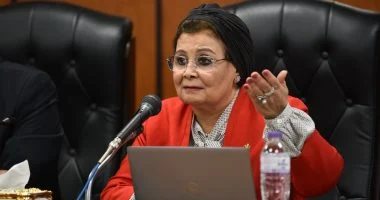
Deputy Minister of Health and Population Dr. Abla El-Alfy participated via videoconference in the advisory technical committee meeting of the Arab Council for Population and Development, presenting Egypt’s latest initiatives to improve population characteristics, enhance women’s participation in the workforce, and reduce social inequalities.

Targeted Interventions and Regional Classification
Dr. El-Alfy outlined the ministry’s data-driven approach, which classifies the country into three zones based on 29 population indicators:
- Green Zones (70%+): 14 districts, covering just 5% of the population, with strong population indicators.
- Yellow Zones (50-70%): 195 districts requiring moderate intervention.
- Red Zones (below 50%): 74 districts, accounting for 25% of the population, requiring urgent measures.
Since implementation, 31 red zones have been reclassified as yellow within just six months, raising the number of governorates free from red zones from three to seven — a milestone Dr. El-Alfy attributed to intensive interventions under Egypt’s Human Development Project.
Human Development Measures
The Human Development Project has addressed critical infrastructure and service gaps, including:
- Reducing classroom density from 120 to 58 students.
- Improving teacher-to-student ratios, hospital bed availability, and medical staffing.
- Expanding access to long-acting family planning methods, particularly in Upper Egypt, with trained nurses now providing direct services.
Dr. El-Alfy emphasized that the social, economic, and financial impact of these interventions is meticulously documented to guide Arab countries, particularly in tackling child marriage, school dropouts, and women’s workforce participation.
Regional Collaboration
Egypt’s approach is already inspiring neighboring countries. Iraq plans to adopt the full Egyptian model for the Emergency Plan and the “First 1,000 Days” program in Baghdad starting December 4. Jordan has implemented practices such as “skin-to-skin” care and Kangaroo mother care across its hospitals.
Dr. El-Alfy advocated for a joint Egyptian-Iraqi presentation at the Arab Council and encouraged member states to participate in ongoing documentation studies, aiming to improve healthy life expectancy across the Arab world.
Egypt’s Human Development Model
With its comprehensive population data, targeted interventions, and cross-country collaboration, Egypt is positioning itself as a regional leader in population and human development strategies. Officials believe the approach could serve as a blueprint for other Arab nations, demonstrating how integrated health, education, and social programs can improve national demographics and economic productivity.