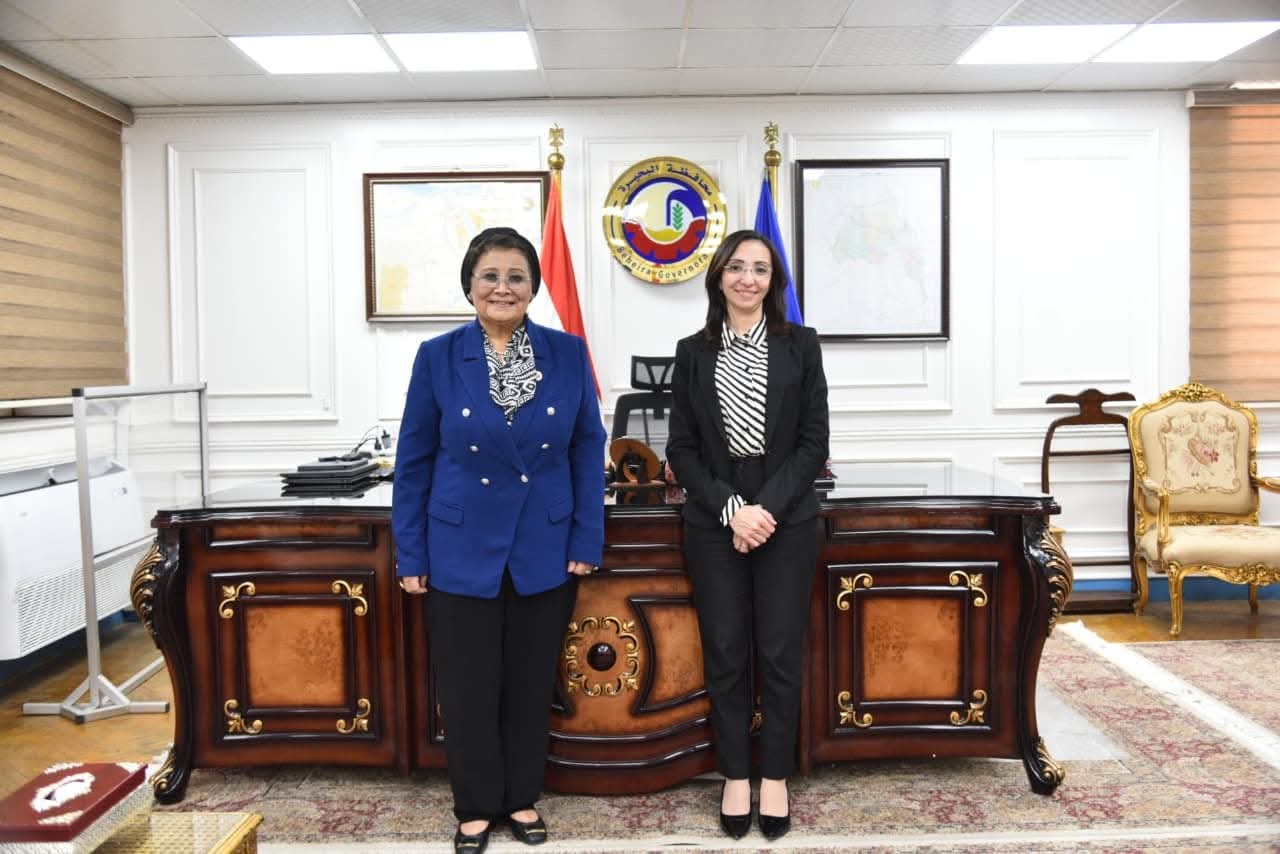

In a high-level meeting at the Beheira Governorate headquarters, Governor Dr. Jacqueline Azar welcomed Dr. Abla Al-Alfi, Egypt’s Deputy Minister of Health and Population, to discuss urgent strategies aimed at lowering the soaring cesarean section (C-section) rates across the province.
The meeting, which included key provincial health officials and members of the Family Development Central Administration, focused on tackling the province’s alarming C-section statistics — currently standing at 62% in public hospitals and exceeding 80% in the private healthcare sector. These figures far surpass the World Health Organization’s recommended rate of 10-15%, raising concerns about medical over-intervention and its impact on maternal and neonatal health.

Addressing Data Gaps and Training Healthcare Workers
Dr. Hosam Abdel Ghaffar, the Ministry’s official spokesperson, highlighted the challenges faced in accurately tracking C-section data. “Many cesarean births are being misclassified as natural home deliveries,” he explained, stressing the need for improved data digitization and accurate record-keeping in both primary healthcare units and hospitals.
A major pillar of the ministry’s approach involves expanding training programs for healthcare professionals to ensure best practices in maternal care. This includes rolling out digital health record systems designed to monitor birth types precisely and support evidence-based decision-making.
Strict Regulations and New Centers for Natural Births
To curb unnecessary surgical births, the Ministry of Health is drafting enforceable guidelines through the Egyptian Health Council, coupled with legal accountability measures for medical practitioners who disregard the protocols under the Medical Liability Law.
Toward Better Maternal Health in Egypt
This initiative aligns with Egypt’s broader health strategy to improve maternal and child health outcomes by reducing avoidable medical procedures and fostering patient-centered care. Additionally, new Excellence for Natural Births projects aim to promote safe, natural delivery options, educate expectant mothers, and reduce reliance on surgical interventions, enhancing overall maternity care quality.