
A Book on Women’s Power and Autonomy In Ancient Egyptian Society was released

A new book has been released by American University in Cairo Press (AUC Press) on the power and autonomy of women in ancient Egyptian society titled Women in Ancient Egypt: Revisiting Power, Agency, and Autonomy.
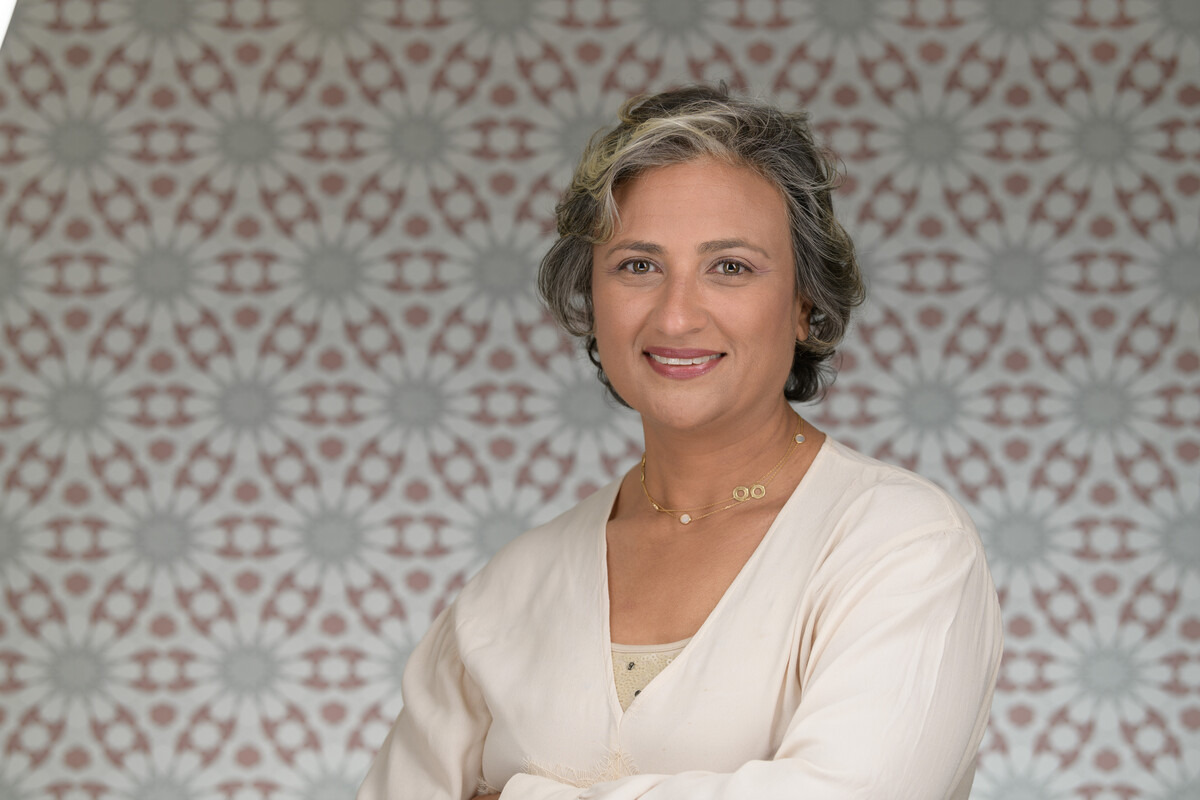
The book was edited by Mariam Ayad ’94, associate professor in AUC’s Department of Sociology, Egyptology, and Anthropology.
It is the result of a 2019 conference at AUC in which Ayad and fellow scholars and Egyptologists debated their findings and research on women in ancient Egypt across diverse disciplines such as legislation, depiction in literature, and the exercise of power. Following the conference, Ayad began compiling and editing the book.
“The book examines the women involvement in the economic domain, their professional competence, and their identity,” she explains.
“Several of the articles in this book are the result of their authors’ recent PhD study, so it genuinely is hot-off-the-press, cutting-edge research.”
The book is a collection of about 24 essays offering a corrective perspective on women in ancient Egypt. Each chapter delves into a specific case study, focusing on a particular period in time or historical figure. The essays show plenty of evidence for female agency in ancient Egypt, spanning the earliest eras all the way to the Late Antique period.
Ayad noted that the symposium and following book were inspired by her dissatisfaction with gender inequality in Egyptology.
“Although the majority of Egyptologists today are female, it’s clear that many “facts” about women in ancient Egypt are false and were actually tailored to the preconceived notions of white, middle-aged, male Western scholars,” said Ayad, whose interest in ancient Egyptian women began at a young age.
Furthermore, she wrote her dissertation and first book about the woman known as God’s Wife of Amun. “These were women of power who had religious access, who were single, as far as we know, and yet they were on par with the king in temple ritual. So there was already this idea that women had more access to power than they’re typically given credit for.”
Pointing out the scholarly bias against evidence of female agency, whether it’s in ancient Egypt or Coptic Egypt, Ayad added: “Often it is assumed that women were powerless and couldn’t do anything when in fact, in ancient Egypt, women owned and inherited property, initiated divorce and sat on city councils.”
She finally noted added that she had gained considerable knowledge from every single contribution in the book, and that she will be utilising almost all of the articles in this recently published book in her class as part of the readings for her course on women in ancient Egypt at AUC.