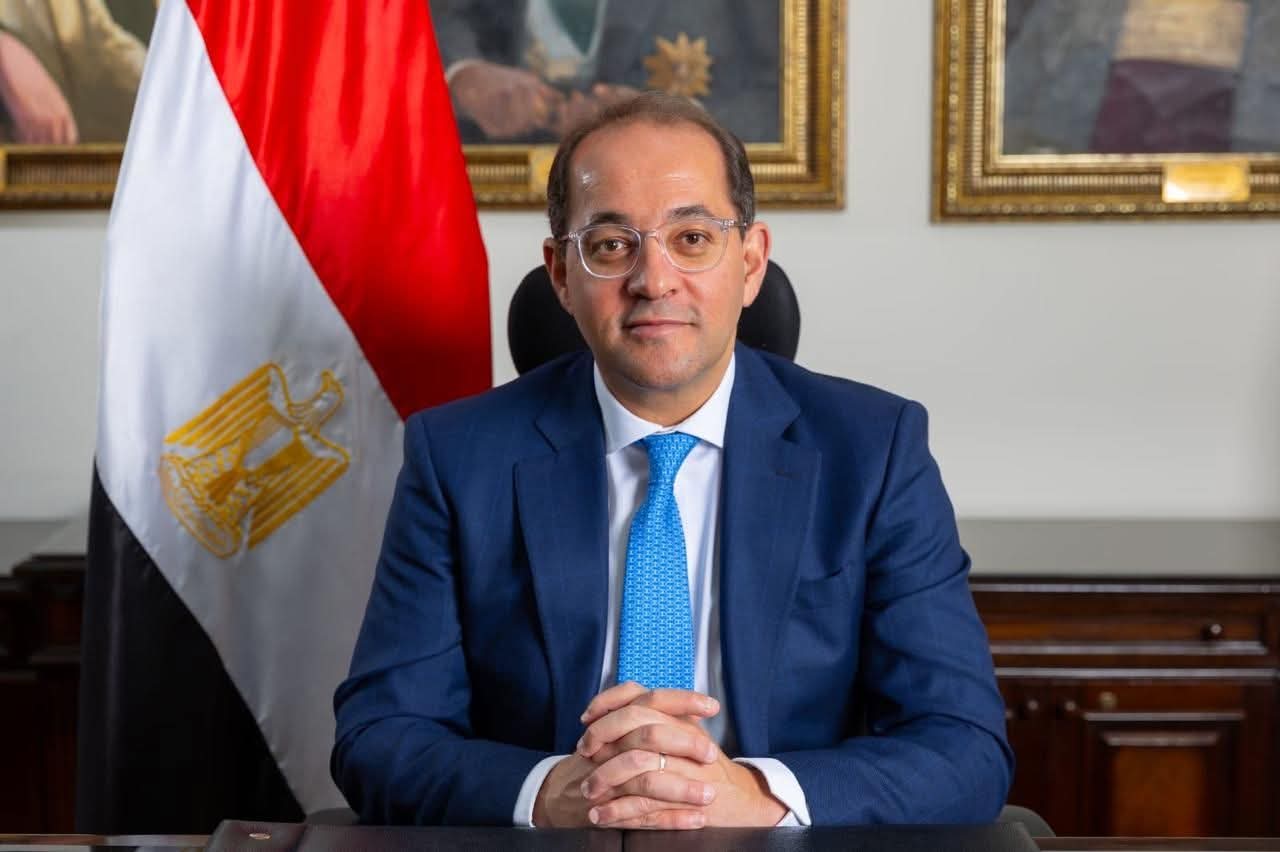

Egypt is moving to strengthen its long-standing partnership with Harvard University as part of a broader strategy to invest in young leadership, build human capital, and enhance the global competitiveness of the national economy, Finance Minister Ahmed Kouchouk said in a statement released by the Ministry of Finance.
Kouchouk emphasized that the ministry is expanding support for Egyptian students enrolled in leading international universities by widening access to advanced academic and training programs, both locally and abroad. The next phase, he noted, will focus on scaling up these partnerships to increase student participation and open new pathways for excellence and innovation in support of Egypt’s development agenda.

Annual Fellowship fund
Egypt’s cooperation with Harvard entails a jointly established Fellowship Fund, which finances approximately 10 scholarships per year for outstanding Egyptian students pursuing postgraduate and advanced research degrees at the U.S. university.
“These scholarships are a direct investment in young leaders,” Kouchouk said, adding that the program aims to equip participants with world-class expertise and integrate graduates into public service, strengthening state institutions with global experience.
Since 2009, the Ministry of Finance has provided full support to 59 Egyptian students who successfully passed Harvard’s admission requirements and enrolled in master’s programs in fields including public administration, public health, education, and design.
Building human capital for sustainable development
The finance minister underscored that developing human capacity remains a cornerstone of Egypt’s economic strategy, describing education as a key driver of efficiency, impact, and long-term competitiveness.
The ministry, he said, is also seeking to expand opportunities for master’s and advanced degrees that directly serve Egypt’s development priorities, with particular emphasis on artificial intelligence, climate change, and quantum sciences through Harvard’s research initiatives.
In addition to on-campus study, Kouchouk highlighted Harvard’s expanding free digital learning platforms, which provide Egyptian students with access to advanced technological education and modern learning tools.
Catalyzing Knowledge-based Economy.
The Ministry of Finance’s International Financial and Economic Relations Department continues to monitor students’ academic progress throughout their studies, working to resolve any challenges they may face and ensure the continuity of their educational journey.
“These highly specialized graduate programs are designed to align with Egypt’s national development plans,” the statement said, noting that graduates are expected to play an active role in public service and policymaking upon completion of their studies.
The initiative reflects Egypt’s broader effort to position education and international academic cooperation as pillars of sustainable development, reinforcing the role of global partnerships in building a more competitive and knowledge-based economy.