
Egypt’s Ministry of Planning has released a comprehensive review of the implementation status of the first phase of the presidential “Haya Karima” (Decent Life) initiative, highlighting major gains in rural infrastructure, public services, and quality of life for millions of citizens.
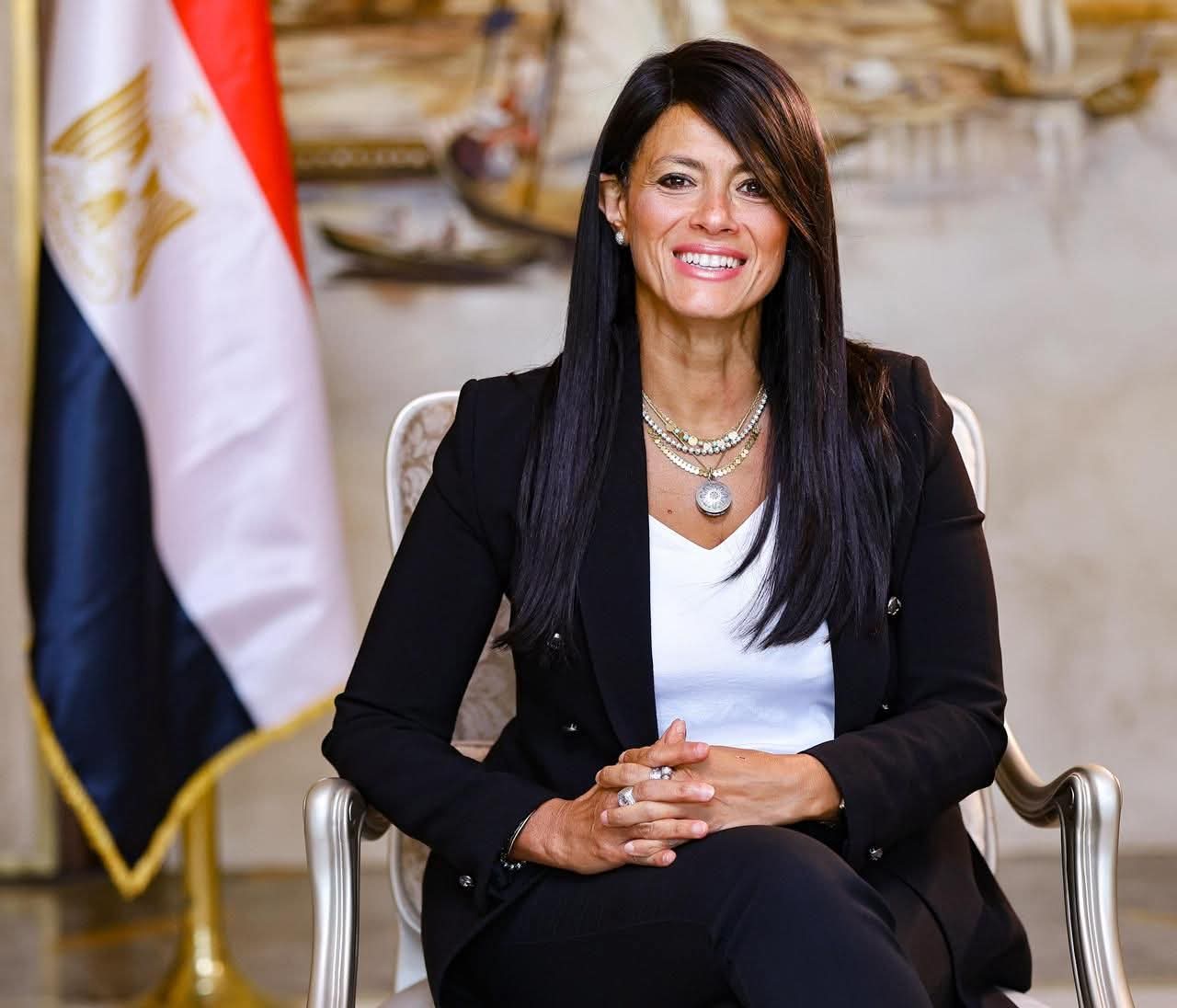
The review, presented by Dr. Rania Al-Mashat, Minister of Planning, Economic Development, and International Cooperation, forms part of the government’s annual performance report and reflects progress achieved by the end of June 2025.

A Landmark Rural Development Program
Launched as Egypt’s flagship rural development project, Haya Karima targets to improve living conditions in villages, promote spatial justice, and reduce development gaps between governorates. According to Al-Mashat, the initiative represents one of the most comprehensive, multi-dimensional development interventions undertaken by the Egyptian state.
The first phase targets nearly 23,000 development projects across 1,477 villages in 52 districts spanning 20 governorates, with total planned investments of EGP350 billion to benefit about 18 million citizens.
The government has already secured EGP 306 billion in actual financing, representing 88% of total allocations, with EGP 306 billion—about 93% of phase-one investments—already committed.
Upper Egypt at the Center of Investment
Upper Egypt has emerged as the primary beneficiary, receiving 68% of total first-phase allocations, serving around 11 million people, or 61% of all beneficiaries. Officials say this reflects a deliberate strategy to direct public investment toward Egypt’s most underserved regions and promote balanced regional development.
Overall implementation rates for the first phase have reached 89%, according to the ministry.
Tangible Improvements in Services and Infrastructure
The report shows marked improvements in essential services across developed villages:
- 620 villages have been fully upgraded so far, contributing to a 69-point increase in the Quality of Life Index.
- Investments in human development account for 70% of total spending.
- Access to sanitation services increased by 128%, while natural gas subscriptions surged by 421%.
- Telecommunications access improved by 55%, and the financial inclusion index rose by 19.4 percentage points, reaching 75% across target villages.
In healthcare and education, the initiative delivered:
- 796 primary health units, 2 central hospitals, and 367 ambulance units
- 15,300 classrooms, 937 youth centers, and 307 social solidarity facilities
Expanding Water, Sanitation, Housing, and Connectivity
Major infrastructure milestones include:
- Completion of 349 drinking water plants, 463,000 household water connections, and 6,700 kilometers of water networks, achieving 100% drinking water availability
- Construction of 29 wastewater treatment plants, 719 sanitation projects, and 1.4 million household sewer connections, increasing sanitation coverage from 20% to 90%
Housing and local services were also expanded, with 508 residential buildings, 332 government service complexes, 823 post offices, 231 police points, and more than 1,200 electricity and public lighting projects completed.
In digital infrastructure, fiber-optic networks were extended to 940 villages, while 1,368 mobile towers were installed, supporting digital government services and improved connectivity.
Economic Empowerment and Sustainability
The initiative has placed strong emphasis on economic inclusion. Nearly EGP 68.7 billion were directed toward small, medium, and micro enterprises, benefiting 3.2 million people, 55% of them women. Upper Egypt received the majority of microfinance support.
In agriculture and water management, 947 irrigation rehabilitation projects were completed over 3,000 kilometers, alongside 326 agricultural service centers and 20 milk collection hubs, boosting productivity and farmer incomes.
Natural gas networks now reach 637 villages, generating annual savings of EGP 1.6 billion in butane subsidies and reducing household energy costs by EGP 1.5 billion annually, while also cutting carbon emissions.
Green Villages and Community Oversight
As part of the “Green Village” component of Haya Karima, 15 villages are currently being upgraded to meet international environmental sustainability standards, with several already undergoing field assessments for the “Tarsheed” certification.
The ministry has also strengthened transparency through the “Sharek 2030” mobile application, which provides public access to detailed data on approximately 10,000 completed projects, supporting community monitoring and governance.
Transforming Local Development
Dr. Al-Mashat said the initiative is reshaping Egypt’s local development map by localizing development, leveraging each governorate’s competitive advantages, and embedding sustainability into rural planning.